Benzodiazepins
Valium
Buy Valium online
A long-acting benzodiazepine with anxiety, muscle-spasm, alcohol-withdrawal and seizure-related uses. Express overnight delivery
30 pills5 mg
$120.00 USD · one-time purchase
Free shipping on orders over $500.00 · In stock
Ingredients
Diazepam
Shipping & payment
Standard and Express for USA and Canada; international services elsewhere. Free shipping over $500.00 after discounts. Shipping details · How to pay · Returns.
More about Valium
Valium product details
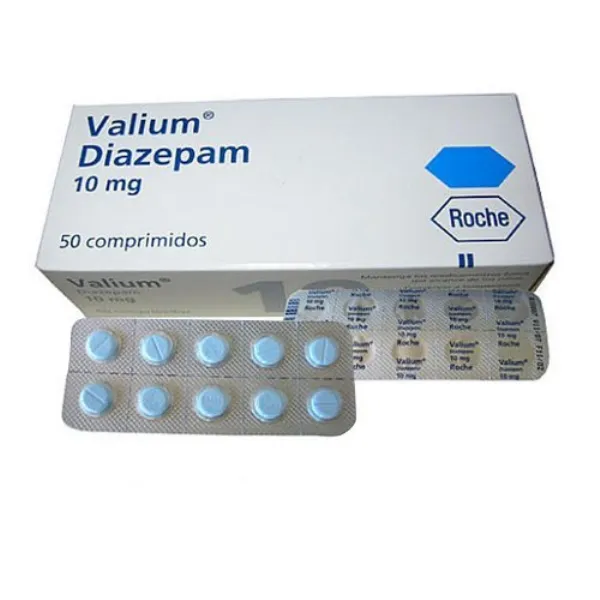
Valium contains diazepam, a long-acting benzodiazepine available as oral tablets. Its labeled uses include anxiety disorders or short-term anxiety symptoms, acute alcohol withdrawal, adjunctive treatment of certain muscle spasms, and adjunctive seizure treatment. The oral product should be distinguished from injectable or rectal/nasal diazepam formulations, whose settings and indications differ. Diazepam’s active metabolites can persist, making accumulation and delayed impairment important when considering repeated treatment.
Generic name diazepam Brand names Valium Drug class Benzodiazepine US federal status Schedule IV Available forms Oral tablets: 2, 5 and 10 mg. 02How it works Diazepam enhances the effect of GABA at GABA-A receptor complexes, increasing inhibitory activity in the nervous system. This accounts for its anxiolytic, sedative, muscle-relaxant and anticonvulsant properties. Those effects also explain why balance, alertness and memory can be impaired. It does not act as a direct substitute for an opioid pain reliever or provide ordinary treatment for every type of muscle pain. Combining medicines that suppress CNS activity can magnify effects on breathing and consciousness.
Elimination half-life Terminal half-life up to 48 hours; active metabolite up to 100 hours Absorption & metabolism Diazepam is absorbed orally and undergoes hepatic metabolism involving CYP3A4 and CYP2C19. Active metabolites include N-desmethyldiazepam, which can persist considerably longer than the parent drug. The terminal diazepam half-life can reach 48 hours, with the active metabolite up to 100 hours; repeated administration can accumulate. Age and hepatic dysfunction can further prolong elimination. These values do not establish the exact duration of anxiety relief, but they help explain why impairment or interactions can continue after a dose is skipped. Half-life describes elimination, not how long benefits last or how long a drug test remains positive. Age, organ function, formulation, and other medicines can change these estimates.
03Medical uses FDA-approved indications Oral Valium is labeled for anxiety disorders or short-term relief of anxiety symptoms, acute alcohol withdrawal, adjunctive treatment of specified muscle spasms, and adjunctive seizure treatment. These indications require different assessments and regimens. It is not a stand-alone treatment for every seizure disorder or every cause of muscle pain.
Clinical context & off-label use Clinical uses depend on route and exact product label.
04Expected effects Diazepam may reduce anxiety, muscle spasm and acute alcohol-withdrawal symptoms, or support seizure management. Its long persistence can cause accumulation and impairment beyond the period of perceived benefit.
Response differs between individuals. Taking more than prescribed or using someone else’s medication increases harm and is not a reliable way to improve treatment.
05Dosage & administration The prescribed regimen depends on the indication rather than a universal benzodiazepine schedule. A clinician accounts for age, liver and respiratory function, concurrent sedatives, and the possibility of accumulation. Anxiety, alcohol withdrawal, muscle spasm and seizure adjunctive use require different clinical assessments. Oral tablets should be used only under their prescribed directions, with continued need reviewed during follow-up. Avoid hazardous activities when alertness or coordination may be affected. A supervised reduction plan is needed after continued use rather than stopping suddenly when symptoms improve.
Forms & strengths Oral tablets: 2, 5 and 10 mg. Prescribing considerations Contraindications include severe respiratory insufficiency, severe liver disease, sleep apnea and myasthenia gravis. This overview is not a dosing schedule. Follow the exact prescription label and product Medication Guide; a clinician or pharmacist should resolve missed-dose questions and formulation changes.
06Side effects & risks Common side effects Drowsiness, fatigue, muscle weakness, ataxia.
Serious reactions & long-term concerns Diazepam can produce dangerous sedation and respiratory depression, especially with opioids or in people with impaired breathing. Other serious concerns include falls, paradoxical agitation, impaired cognition, abuse and addiction, and withdrawal seizures. Long-lived metabolites may contribute to repeated-dose impairment, particularly in older adults or liver disease. Severe respiratory insufficiency, sleep apnea syndrome, severe hepatic insufficiency and myasthenia gravis are among important contraindications. An apparently familiar or previously tolerated amount can become unsafe after a change in health or interacting medicines.
Know when to get urgent help Call 911 for slowed or stopped breathing, inability to wake, seizure, collapse, or severe allergic swelling. If an opioid overdose is suspected, give naloxone if available and follow its instructions while emergency help is on the way. 07Drug interactions Alcohol, opioids, other benzodiazepines, sleeping medicines and additional CNS depressants can compound sedation and suppress respiration. CYP3A4 or CYP2C19 inhibitors can slow diazepam metabolism, increasing or prolonging effects; inducers can change exposure in the opposite direction. The interaction assessment should include psychiatric medicines and anticonvulsants rather than assuming all prescribed combinations are harmless. Because active metabolites persist, risk may not disappear immediately after diazepam is stopped. Alcohol should not be used to compensate for anxiety or withdrawal symptoms during treatment.
Give your pharmacist a complete list of prescriptions, over-the-counter medicines, supplements, and alcohol or other substance use. Do not assume a combination is safe because both medicines were prescribed.
08Dependence, tolerance & withdrawal Physical dependence can develop with continued use. Abrupt cessation or rapid reduction may cause anxiety, insomnia, tremor, agitation, perceptual changes, delirium or seizures; symptoms can be delayed because diazepam and its metabolites clear slowly. Some people experience prolonged withdrawal symptoms. A gradual, individualized taper with clinical monitoring is needed when discontinuation is appropriate. Diazepam’s long duration is not a guarantee against severe withdrawal, and switching from another benzodiazepine to diazepam requires a prescribing assessment rather than an assumed equivalent tablet count.
Physical dependence is an adaptation to regular exposure; it is different from addiction, which involves impaired control and continued use despite harm. A clinician can assess both and plan a gradual reduction when appropriate.
09Pricing & availability Valium prescription costs vary by strength, formulation, quantity, pharmacy, insurance coverage, and whether a generic is dispensed. A brand name in this reference does not guarantee that the brand is currently marketed or stocked.
Current cash prices have not been independently verified; no price estimate is provided. Ask a licensed pharmacy for a dated quote, compare your insurance copay with legitimate discount offers, and check eligibility for manufacturer assistance. Discount cards are not insurance.
Compare Medicare prescription coverage ↗ 10Legal status in the United States US federal classification: Schedule IV. The medication discussed here has FDA-approved prescription formulations. Approval applies to specific products, routes, indications, and patient groups; it does not endorse every clinical use.
Possession and dispensing must comply with prescription and controlled-substance rules. State requirements can be stricter than federal rules; consult a pharmacist or state authority for your jurisdiction.
11Valium vs Xanax Valium and Xanax act at benzodiazepine sites on GABA-A receptors but have different clinical labeling and persistence. Diazepam has long-lived active metabolites and uses in muscle spasm, alcohol withdrawal and adjunctive seizure care; alprazolam is labeled for adult generalized anxiety and panic disorder. Longer action can create accumulation, especially with older age or liver disease. Both cause dependence and can be dangerous with opioids or alcohol. A change requires consideration of metabolism, clinical goals and withdrawal risk, without assuming milligram equivalence.
These differences do not establish an equivalent dose or a reason to switch. Changes require a prescriber’s assessment.
PRODUCT FEEDBACK
Ratings & reviews
4.8 / 5
Based on 193 reviews.
More everyday good.
View all