Gabapentinoids
Neurontin
Buy Neurontin Online
A gabapentin medicine for postherpetic neuralgia and adjunctive seizure treatment. Express Overnight delivery.
30 Tablets400 mg
$180.00 USD · one-time purchase
Free shipping on orders over $500.00 · In stock
Ingredients
Gabapentin
Shipping & payment
Standard and Express for USA and Canada; international services elsewhere. Free shipping over $500.00 after discounts. Shipping details · How to pay · Returns.
More about Neurontin
Neurontin product details
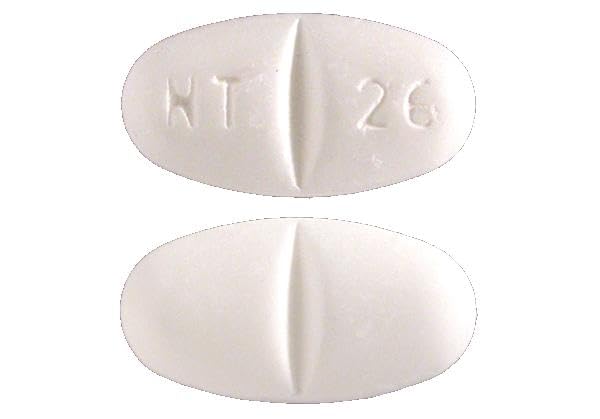
Neurontin is the brand name for immediate-release gabapentin. FDA-approved uses are postherpetic neuralgia in adults and adjunctive treatment of partial-onset seizures in adults and children aged 3 and older. It is a gabapentinoid, despite a name that resembles the neurotransmitter GABA. Other gabapentin or gabapentin-prodrug products can have different approvals and release characteristics. The exact product matters when discussing indications, meal instructions or replacement; immediate-release Neurontin should not be treated as interchangeable with every medicine containing a related ingredient.
Generic name gabapentin Brand names Neurontin Drug class Gabapentinoid anticonvulsant US federal status Not federally scheduled Available forms Capsules 100/300/400 mg; tablets 600/800 mg; solution 250 mg/5 mL. 02How it works Gabapentin binds to the alpha-2-delta subunit of voltage-gated calcium channels. This is believed to contribute to altered excitatory neurotransmission, although the precise clinical mechanism for pain and seizure effects is not fully established. It does not directly activate GABA receptors and should not be described as a benzodiazepine-like GABA agonist. Its anticonvulsant and pain benefits do not mean it is appropriate for every type of pain. Neuropathic pain indications depend on both the condition and exact formulation.
Elimination half-life 5–7 hours with normal renal function; markedly prolonged with kidney impairment Absorption & metabolism Gabapentin absorption is saturable, so the fraction absorbed decreases as the amount increases; exposure is not simply proportional to dose. It is not appreciably metabolized and is eliminated unchanged through the kidneys. Clearance therefore tracks renal function, and the usual 5–7-hour half-life can become much longer with kidney impairment. Older adults may also clear it more slowly because of reduced renal function. Hemodialysis removes gabapentin, which creates special prescribing considerations. Taking more does not reliably produce a proportionate increase in clinical benefit. Half-life describes elimination, not how long benefits last or how long a drug test remains positive. Age, organ function, formulation, and other medicines can change these estimates.
03Medical uses FDA-approved indications Neurontin is FDA-approved for postherpetic neuralgia in adults and as adjunctive therapy for partial-onset seizures, with or without secondary generalization, in adults and children aged 3 and older. Adjunctive means it is added to other seizure treatment. Other pain conditions are not automatically covered by these approvals.
Clinical context & off-label use Other neuropathic pain conditions are common off-label uses.
04Expected effects Benefit may include reduced postherpetic nerve pain or fewer partial-onset seizures when used alongside other antiseizure treatment. Drowsiness and imbalance may appear before an individual can judge treatment benefit.
Response differs between individuals. Taking more than prescribed or using someone else’s medication increases harm and is not a reliable way to improve treatment.
05Dosage & administration A clinician chooses treatment according to the indication, age, renal function and response, with gradual changes used to assess tolerability. Capsules are swallowed whole with water, and the immediate-release product may be taken with or without food. Scored tablets and solution have product-specific handling directions. Aluminum- or magnesium-containing antacids reduce absorption; the label advises separation before gabapentin administration. Kidney impairment and dialysis require individualized schedules. If treatment is reduced or stopped, prescribers plan a gradual change rather than abrupt cessation, especially in someone treated for seizures.
Forms & strengths Capsules 100/300/400 mg; tablets 600/800 mg; solution 250 mg/5 mL. Prescribing considerations Older adults, kidney disease and underlying respiratory impairment require caution. Some states regulate gabapentin. This overview is not a dosing schedule. Follow the exact prescription label and product Medication Guide; a clinician or pharmacist should resolve missed-dose questions and formulation changes.
06Side effects & risks Common side effects Dizziness, sleepiness, ataxia, peripheral edema.
Serious reactions & long-term concerns Serious concerns include respiratory depression, particularly with opioids or underlying respiratory impairment, severe hypersensitivity such as DRESS, anaphylaxis or angioedema, and the antiseizure-drug warning about suicidal thoughts or behavior. Drowsiness and ataxia can cause falls and driving impairment. New rash with systemic symptoms, facial swelling or breathing difficulty requires prompt assessment. Abrupt discontinuation can increase seizure risk. Although gabapentin is not federally scheduled, misuse and dependence have been reported, and that legal status does not establish absence of risk.
Know when to get urgent help Call 911 for slowed or stopped breathing, inability to wake, seizure, collapse, or severe allergic swelling. If an opioid overdose is suspected, give naloxone if available and follow its instructions while emergency help is on the way. 07Drug interactions Opioids and other CNS depressants can increase sedation and respiratory depression; morphine can also increase gabapentin exposure. Alcohol, sleeping tablets and sedating antihistamines may add impairment. Aluminum- and magnesium-containing antacids reduce bioavailability, so timing should follow the prescribing label or pharmacist’s directions. Gabapentin has fewer CYP-mediated metabolic interactions than many medicines because it is excreted unchanged, but that does not make every combination safe. Renal function and the cumulative sedative burden remain important even when a formal enzyme interaction is absent.
Give your pharmacist a complete list of prescriptions, over-the-counter medicines, supplements, and alcohol or other substance use. Do not assume a combination is safe because both medicines were prescribed.
08Dependence, tolerance & withdrawal Abrupt discontinuation can cause withdrawal symptoms and can increase seizure frequency in a person with epilepsy. Reported symptoms include anxiety, insomnia, nausea, sweating and pain. The label calls for gradual discontinuation, with a longer individualized reduction sometimes needed after prolonged use. Return of the original nerve pain should be distinguished from a withdrawal reaction. Misuse and physical dependence are possible, particularly in some people with other substance use, but are assessed separately from ordinary clinical benefit or the need to take medication regularly.
Physical dependence is an adaptation to regular exposure; it is different from addiction, which involves impaired control and continued use despite harm. A clinician can assess both and plan a gradual reduction when appropriate.
09Pricing & availability Neurontin prescription costs vary by strength, formulation, quantity, pharmacy, insurance coverage, and whether a generic is dispensed. A brand name in this reference does not guarantee that the brand is currently marketed or stocked.
Current cash prices have not been independently verified; no price estimate is provided. Ask a licensed pharmacy for a dated quote, compare your insurance copay with legitimate discount offers, and check eligibility for manufacturer assistance. Discount cards are not insurance.
Compare Medicare prescription coverage ↗ 10Legal status in the United States US federal classification: Not federally scheduled. The medication discussed here has FDA-approved prescription formulations. Approval applies to specific products, routes, indications, and patient groups; it does not endorse every clinical use.
Gabapentin is not federally controlled, but some states schedule it or require prescription-monitoring reports. State law must be checked separately.
11Neurontin vs Lyrica Gabapentin and pregabalin both bind alpha-2-delta calcium-channel subunits and require dose adjustment for renal impairment. Gabapentin absorption becomes less efficient as dose rises, while pregabalin absorption is more predictable. Their FDA-approved pain indications differ: pregabalin includes fibromyalgia and diabetic peripheral neuropathic pain, while Neurontin is labeled for postherpetic neuralgia. Pregabalin is federally Schedule V; gabapentin is not federally scheduled, though state restrictions may apply. Both can cause edema, dizziness and breathing problems with sedatives, and their doses are not equivalent.
PRODUCT FEEDBACK
Ratings & reviews
5.0 / 5
Based on 13 reviews.
More everyday good.
View all